Dead Branch Removal in Allentown, PA
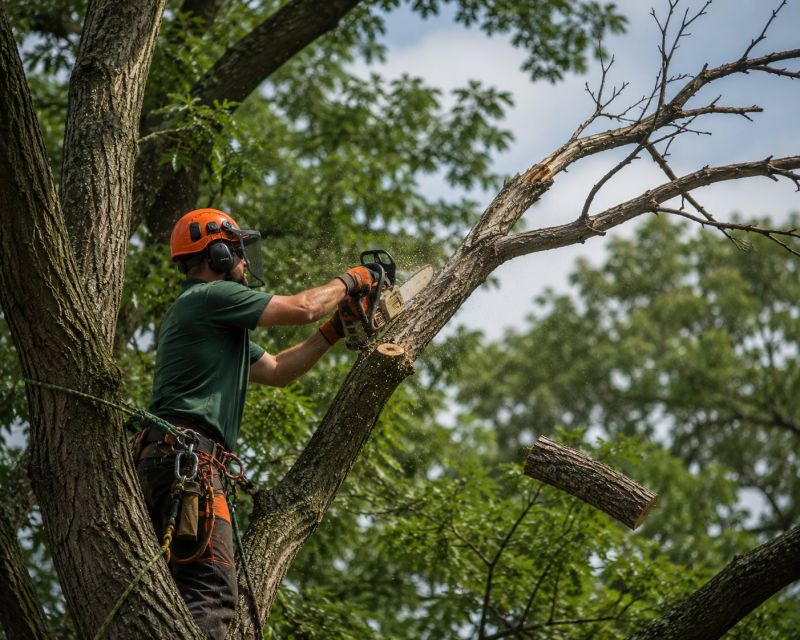
Dead branch removal services involve safely removing damaged, dead, or overgrown branches from trees to promote the health and safety of the landscape. This type of project typically includes pruning loose or broken limbs, thinning out dense canopies, and removing branches that pose a risk of falling or causing damage during storms or high winds. Homeowners often request dead branch removal to prevent property damage, improve tree appearance, or reduce the likelihood of pests and disease spreading within the tree.
Before requesting dead branch removal, property owners usually want to understand which branches are problematic and how the removal process will be carried out to ensure the health of the tree. It’s also common to inquire about the impact on the tree’s overall structure and safety, especially if large or high-reaching branches are involved. Proper assessment and careful planning are essential to maintain the tree’s stability and appearance while addressing safety concerns.
Many property owners in Allentown, PA look into Dead Branch Removal for repairs, replacements, upgrades, and appearance-related improvements.
Safety And Property Protection
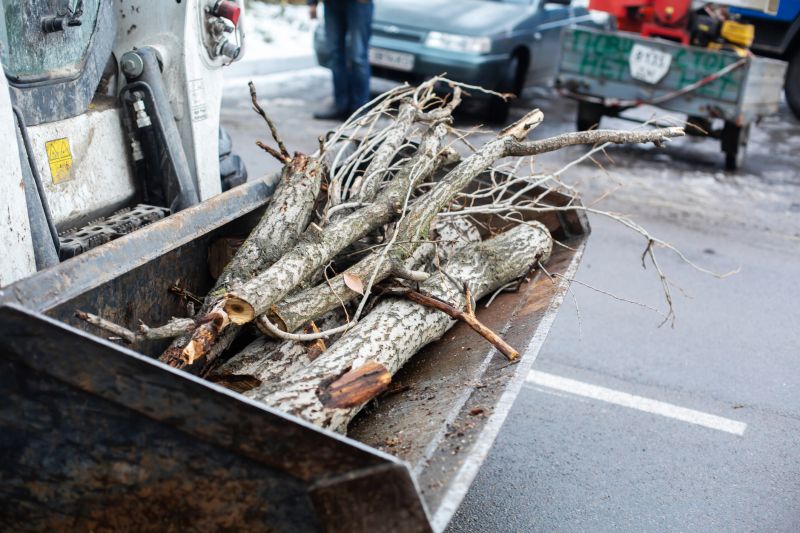
Removing dead branches reduces the risk of falling debris and property damage.
Tree Health And Maintenance
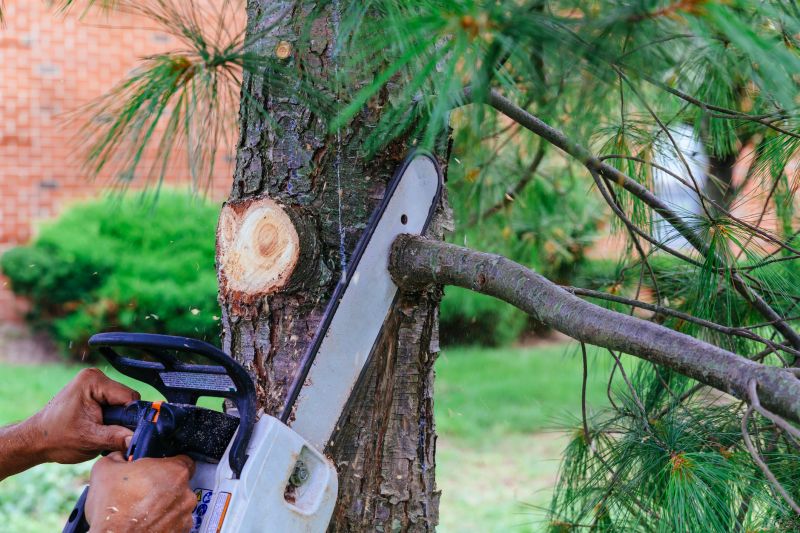
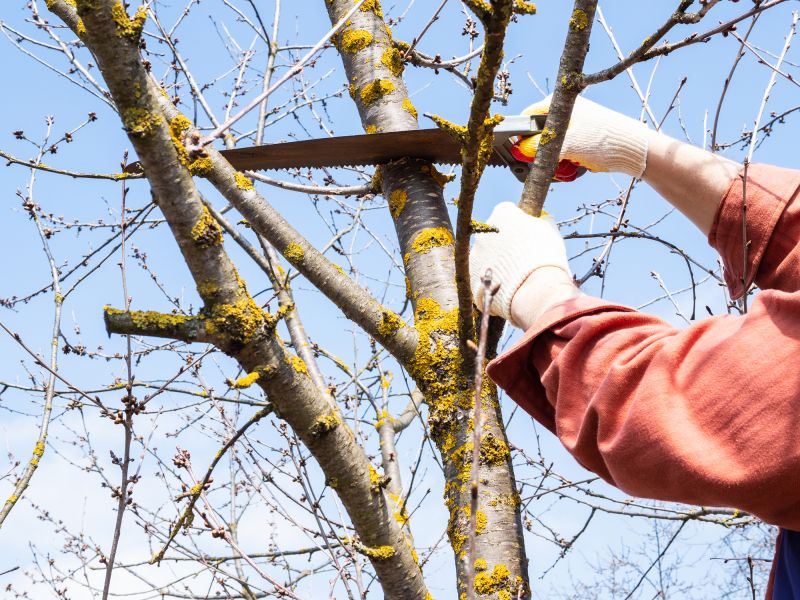
Dead branch removal helps maintain the overall health and appearance of trees.
Aesthetic Enhancement
Clearing dead branches improves the visual appeal of residential and commercial landscapes in allentown.
Dead Branch Removal in Allentown, PA
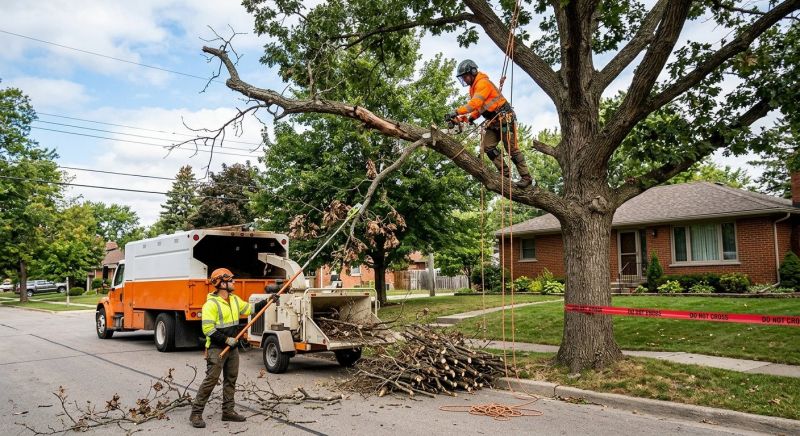
Dead branch removal services involve safely removing damaged, dead, or overgrown branches from trees to promote the health and safety of the landscape. This type of project typically includes pruning loose or broken limbs, thinning out dense canopies, and removing branches that pose a risk of falling or causing damage during storms or high winds. Homeowners often request dead branch removal to prevent property damage, improve tree appearance, or reduce the likelihood of pests and disease spreading within the tree.
Before requesting dead branch removal, property owners usually want to understand which branches are problematic and how the removal process will be carried out to ensure the health of the tree. It’s also common to inquire about the impact on the tree’s overall structure and safety, especially if large or high-reaching branches are involved. Proper assessment and careful planning are essential to maintain the tree’s stability and appearance while addressing safety concerns.
Many property owners in Allentown, PA look into Dead Branch Removal for repairs, replacements, upgrades, and appearance-related improvements.
Common Dead Branch Removal Jobs
Dead Branch Removal - Safely removes hazardous dead branches from trees to prevent damage.
Tree Pruning - Clears dead or dying branches to improve tree health and appearance.
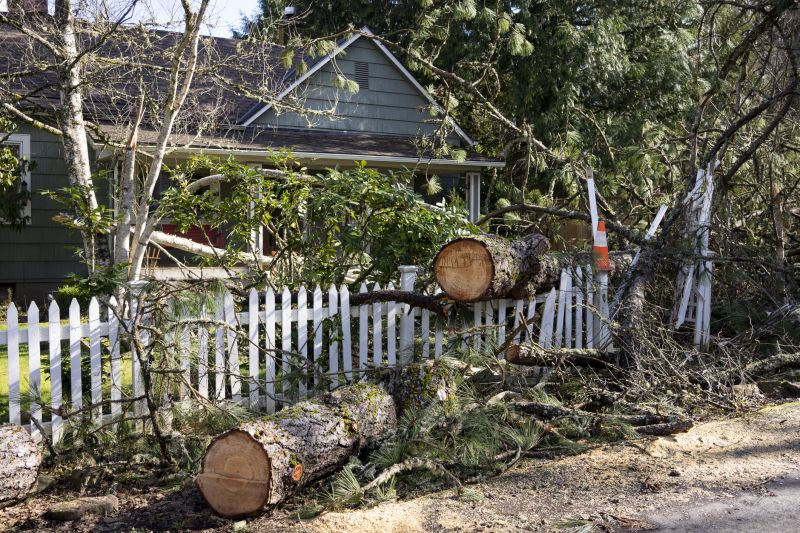
Storm Damage Cleanup - Removes broken or fallen dead branches after severe weather events.
Vegetation Management - Eliminates dead wood to promote healthy growth of trees and shrubs.
Safety Tree Clearing - Removes dead branches that pose safety risks around properties.
Tree Maintenance - Keeps trees healthy by removing dead or dying limbs regularly.
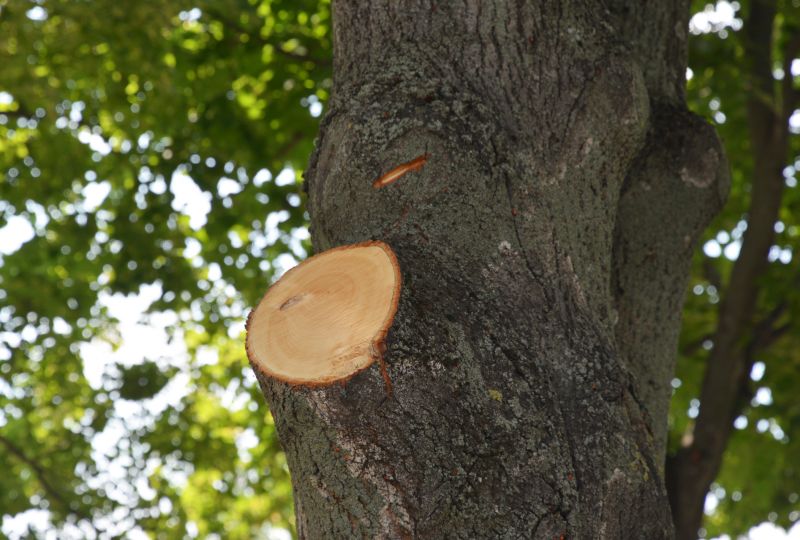
Dead Branch Removal Questions
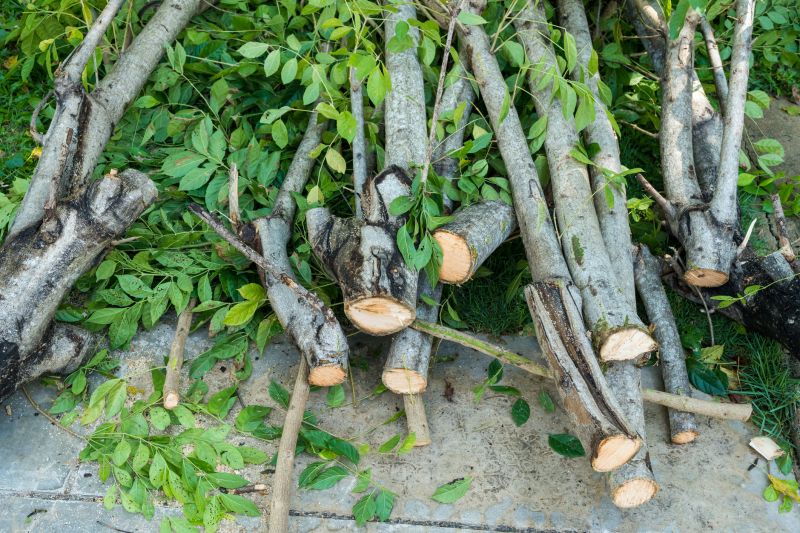
Why should dead branches be removed? Removing dead branches helps prevent potential damage to the tree and nearby property, reducing the risk of falling limbs during storms.
When is the best time to remove dead branches? Dead branches can be removed anytime when they pose a hazard or are clearly visible, typically during the dormant season or as needed.
Will removing dead branches improve tree health? Yes, removing dead or decaying branches allows the tree to focus energy on healthy growth and reduces the risk of disease spread.
Is dead branch removal safe for the tree? Proper removal techniques help maintain the tree's health and structure, minimizing stress or damage during the process.
Request Dead Branch Removal in Allentown, PA
Use the quote form on this page to share the basics of your project and request more information for the type of work you need.