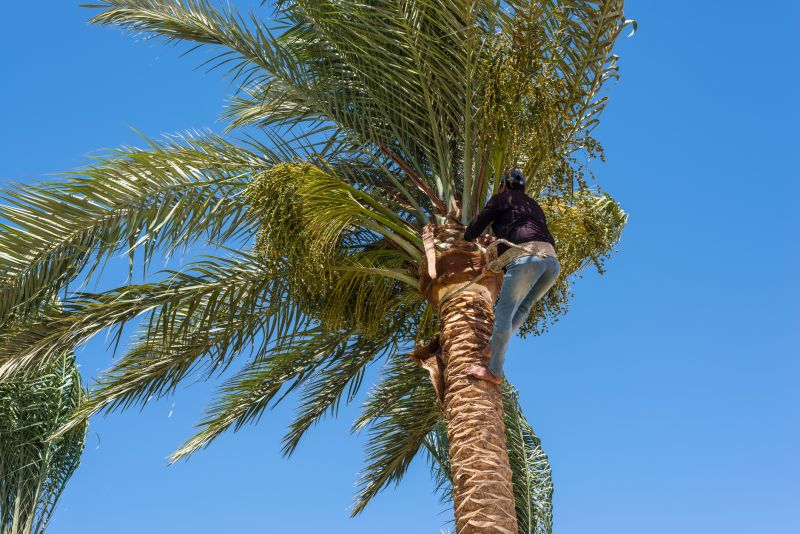
Palm Tree Removal in San Jose, CA
Palm tree removal services involve the careful elimination of palm trees that are no longer desired, pose safety risks, or require removal due to disease, damage, or construction projects. These services typically cover a range of projects, including the complete removal of mature palms, trimming of dead or overgrown fronds, and stump grinding to clear the area. Homeowners often request palm tree removal when trees become hazardous during storms, block views, interfere with structures, or simply no longer fit the landscape design.
Before requesting palm tree removal, property owners should consider factors such as the size and location of the tree, the presence of nearby structures or utilities, and any local regulations regarding tree removal. It is also useful to understand the potential impact on landscaping and to inquire about the disposal or recycling of removed materials. Proper assessment and planning can help ensure the removal process is safe, efficient, and aligned with the property’s needs.
Many property owners in San Jose, CA look into Palm Tree Removal for repairs, replacements, upgrades, and appearance-related improvements.
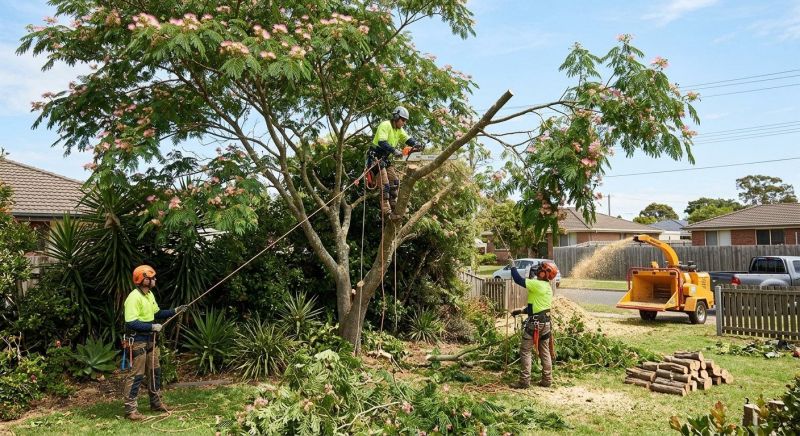
Reasons For Palm Tree Removal
Removing damaged or overgrown palms helps maintain safety and property appearance.
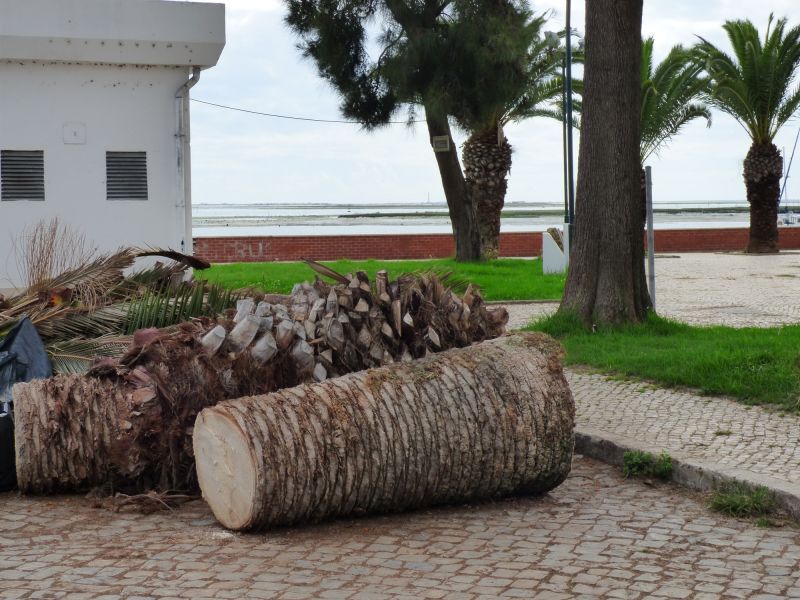
Types Of Palm Tree Removal Projects
Services include trimming, stump grinding, and complete removal for various palm species.
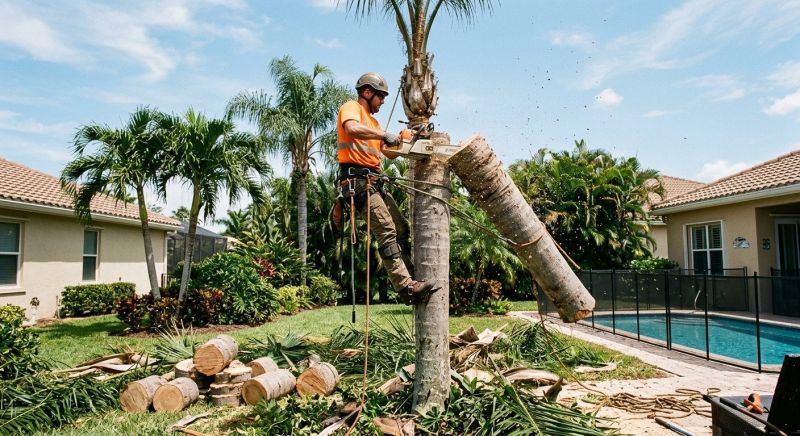
Considerations For Palm Tree Removal
Proper equipment and expertise are essential to ensure safe and efficient removal in san jose, ca.
Palm Tree Removal in San Jose, CA
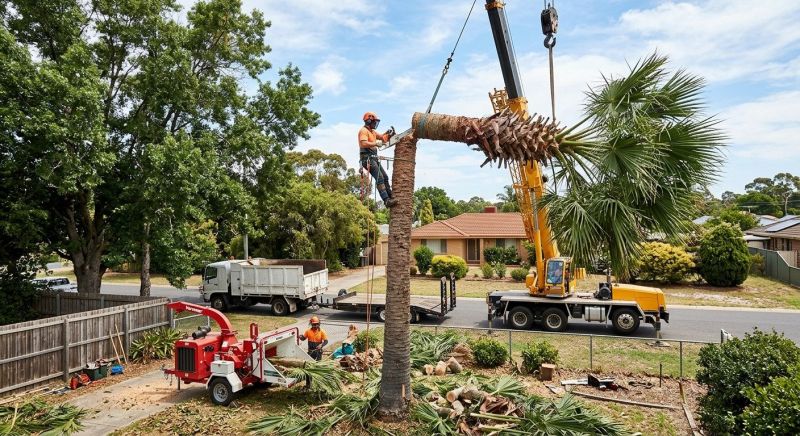
Palm tree removal services involve the careful elimination of palm trees that are no longer desired, pose safety risks, or require removal due to disease, damage, or construction projects. These services typically cover a range of projects, including the complete removal of mature palms, trimming of dead or overgrown fronds, and stump grinding to clear the area. Homeowners often request palm tree removal when trees become hazardous during storms, block views, interfere with structures, or simply no longer fit the landscape design.
Before requesting palm tree removal, property owners should consider factors such as the size and location of the tree, the presence of nearby structures or utilities, and any local regulations regarding tree removal. It is also useful to understand the potential impact on landscaping and to inquire about the disposal or recycling of removed materials. Proper assessment and planning can help ensure the removal process is safe, efficient, and aligned with the property’s needs.
Many property owners in San Jose, CA look into Palm Tree Removal for repairs, replacements, upgrades, and appearance-related improvements.
Common Palm Tree Removal Jobs
Palm tree removal involves safely taking down and removing unwanted or hazardous palm trees from residential or commercial properties.
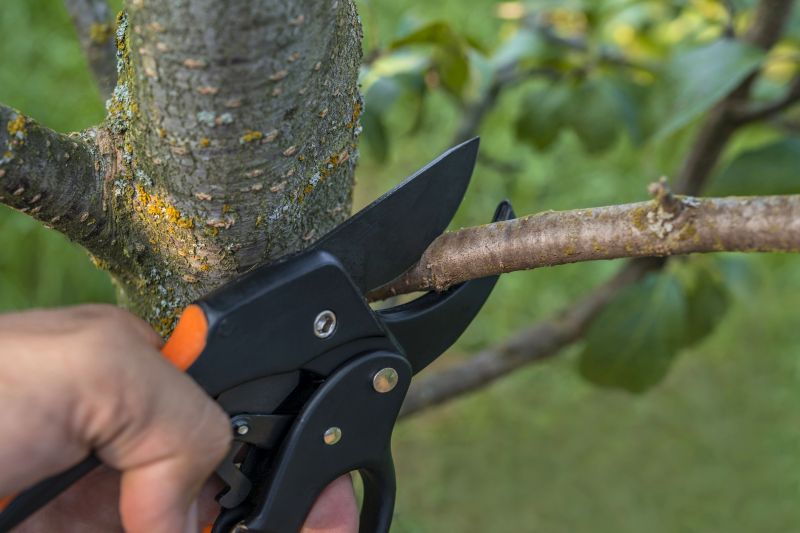
Palm tree trimming includes pruning dead or overgrown fronds to maintain health and appearance.
Stump grinding removes remaining tree stumps to improve landscape safety and aesthetics.
Hazard assessment evaluates the stability of palm trees to identify potential risks before removal.
Tree cleanup involves clearing debris and ensuring the property is tidy after palm tree work.
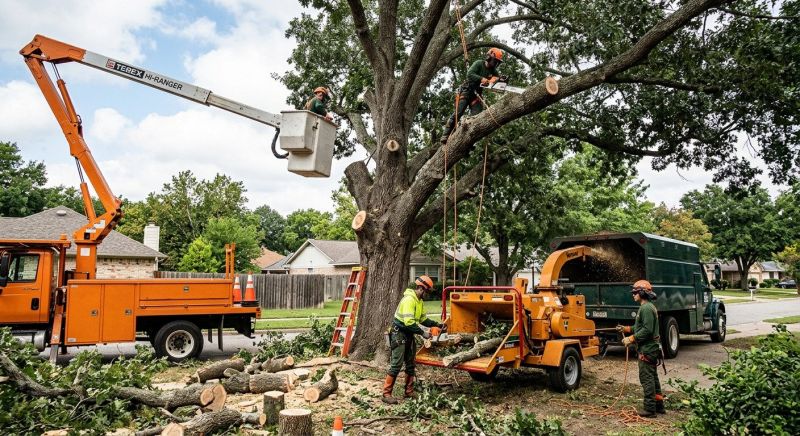
Emergency palm tree removal addresses urgent situations caused by storm damage or fallen trees.
Palm Tree Removal Questions
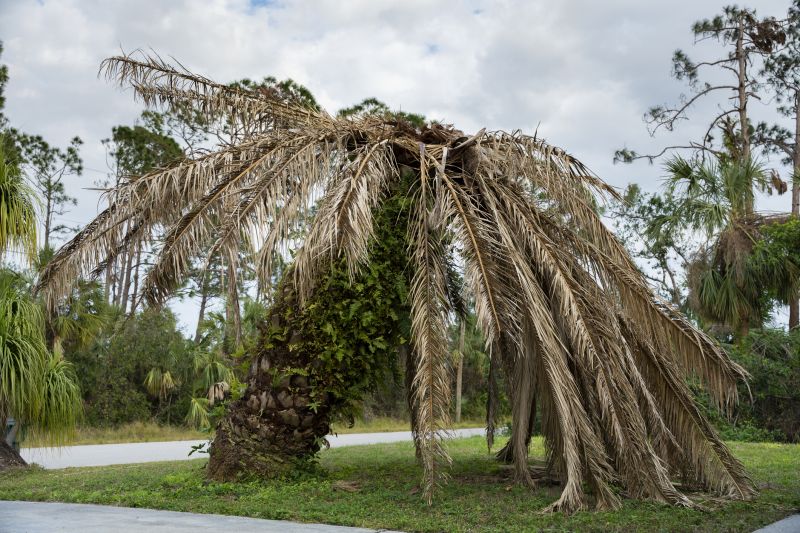
When is palm tree removal necessary? Removal is recommended if the tree is diseased, dying, or poses a safety risk due to instability or overgrowth.
What are common signs a palm tree needs to be removed? Signs include dead or yellowing fronds, trunk damage, or leaning significantly.
Does palm tree removal impact nearby structures? It can, especially if the tree is large or close to buildings; proper planning ensures minimal impact.
What should property owners consider before removing a palm tree? Consider the tree’s size, location, and potential effects on landscaping or property safety.
Request Palm Tree Removal in San Jose, CA
Use the quote form on this page to share the basics of your project and request more information for the type of work you need.