Limb Pruning in Allentown, PA
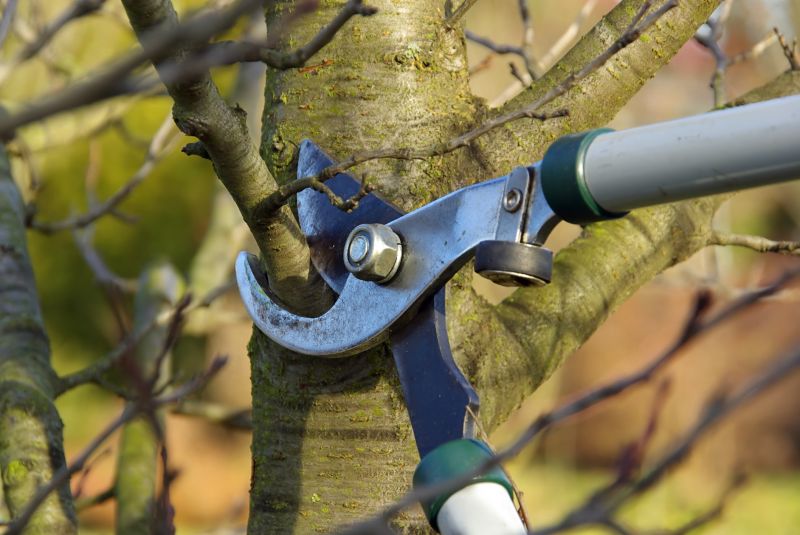
Limb pruning services involve selectively trimming and shaping tree limbs to promote healthy growth, improve appearance, and maintain safety on residential properties. This process addresses a variety of projects, including removing dead or damaged branches, reducing the size of overgrown limbs, and shaping trees for aesthetic purposes. Property owners often request limb pruning to prevent potential hazards, such as falling branches during storms, or to enhance the overall landscape by encouraging better air circulation and sunlight penetration.
Before requesting limb pruning, homeowners typically want to understand which parts of their trees can be safely trimmed without compromising the tree’s health or stability. It’s also helpful to consider the timing of pruning, as certain seasons are better suited for specific types of trees and objectives. Clarifying the scope of work, such as whether only specific limbs or entire sections are to be addressed, can ensure the project meets expectations while maintaining the tree’s natural form and vitality.
Many property owners in Allentown, PA look into Limb Pruning for repairs, replacements, upgrades, and appearance-related improvements.
Tree Health And Safety
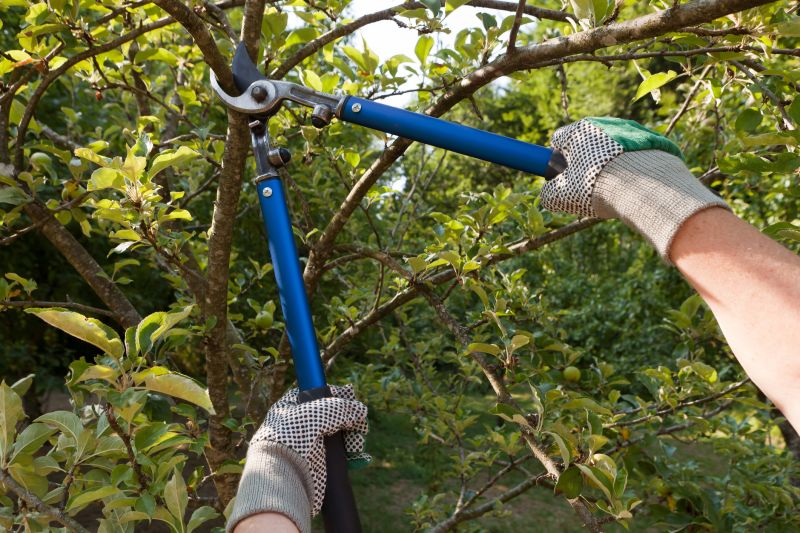
Proper limb pruning reduces the risk of falling branches and promotes overall tree vitality.
Aesthetic Enhancement
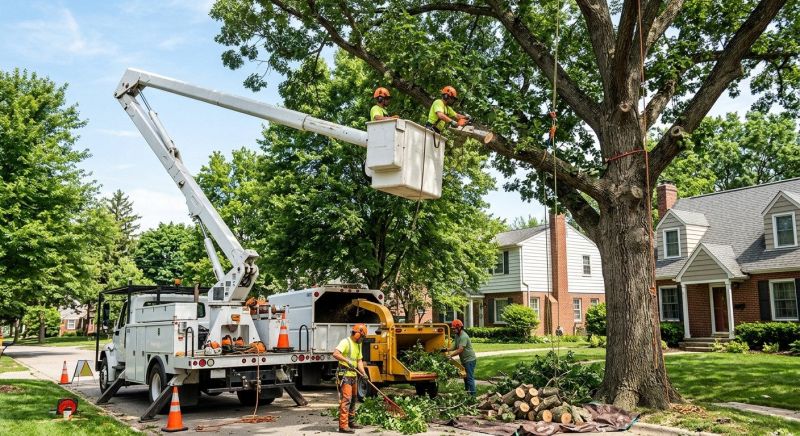
Selective trimming improves the shape and appearance of trees, enhancing the property's curb appeal.
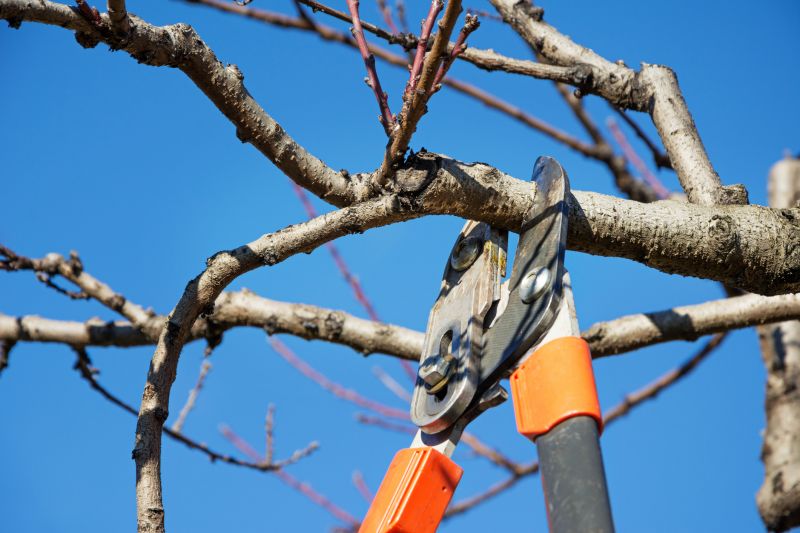
Property Protection
Limb pruning helps prevent damage to structures and power lines during storms or high winds.
Limb Pruning in Allentown, PA
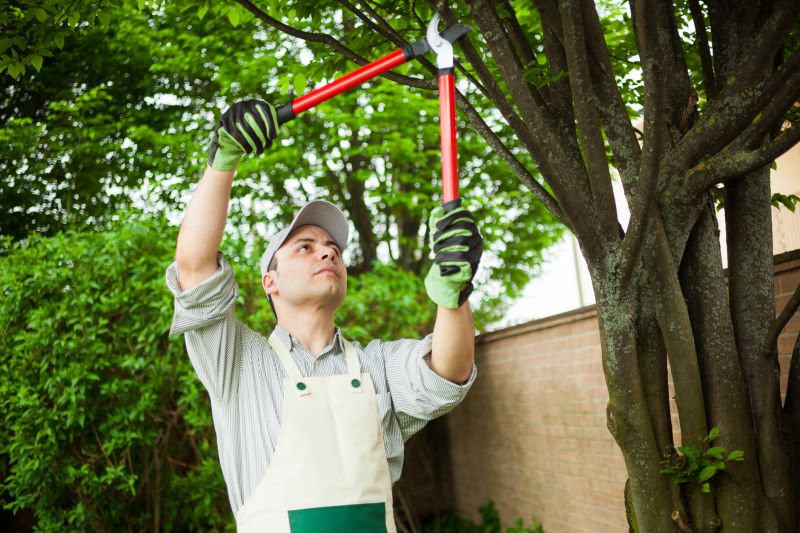
Limb pruning services involve selectively trimming and shaping tree limbs to promote healthy growth, improve appearance, and maintain safety on residential properties. This process addresses a variety of projects, including removing dead or damaged branches, reducing the size of overgrown limbs, and shaping trees for aesthetic purposes. Property owners often request limb pruning to prevent potential hazards, such as falling branches during storms, or to enhance the overall landscape by encouraging better air circulation and sunlight penetration.
Before requesting limb pruning, homeowners typically want to understand which parts of their trees can be safely trimmed without compromising the tree’s health or stability. It’s also helpful to consider the timing of pruning, as certain seasons are better suited for specific types of trees and objectives. Clarifying the scope of work, such as whether only specific limbs or entire sections are to be addressed, can ensure the project meets expectations while maintaining the tree’s natural form and vitality.
Many property owners in Allentown, PA look into Limb Pruning for repairs, replacements, upgrades, and appearance-related improvements.
Common Limb Pruning Jobs
Tree trimming - removes dead or overgrown branches to improve tree health and appearance.
Crown thinning - reduces dense foliage to allow more light and air to reach the tree’s interior.
Structural pruning - shapes trees to promote strong branch growth and reduce risk of damage.
Selective pruning - targets specific branches to correct problems or improve overall structure.
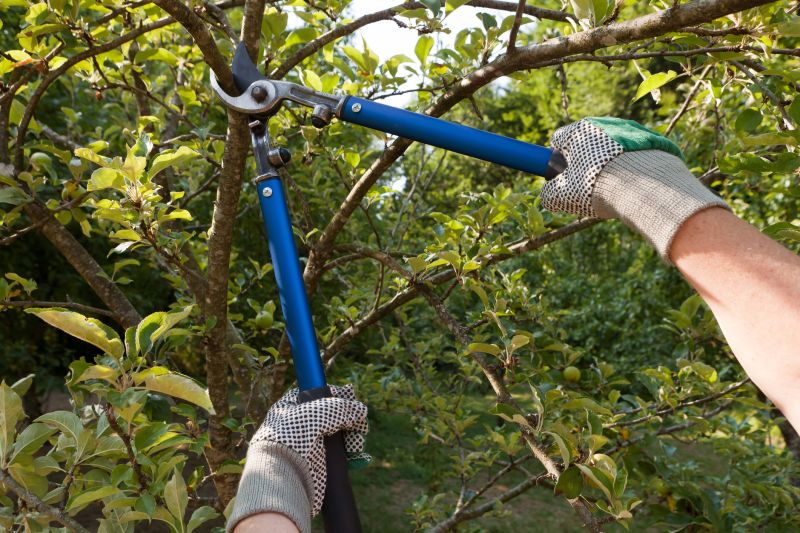
Fruit tree pruning - enhances fruit production by removing unnecessary or weak growth.
Emergency pruning - quickly addresses storm-damaged or hazardous branches to prevent property damage.
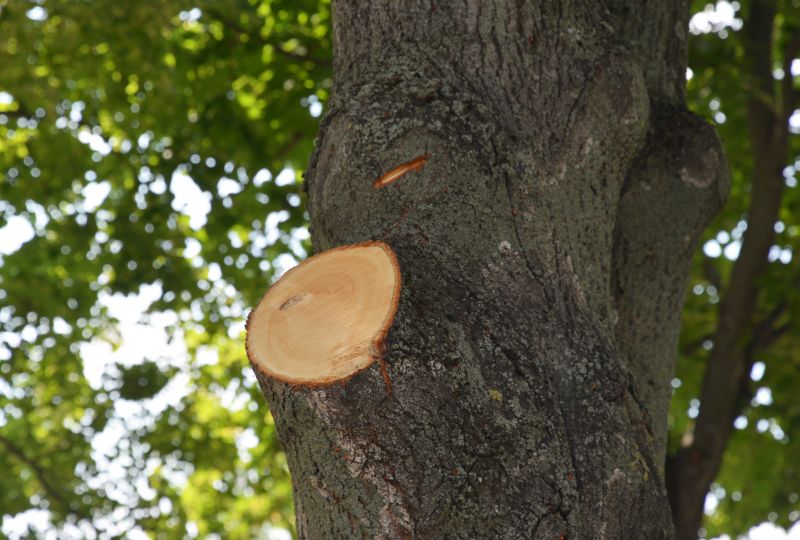
Limb Pruning Questions
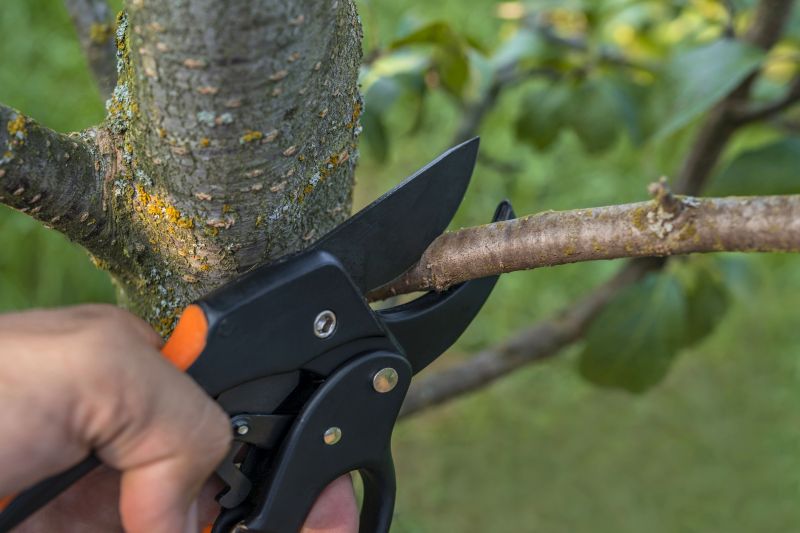
What is limb pruning? Limb pruning involves selectively removing or trimming branches to improve tree health, structure, and appearance.
Why is limb pruning important? Proper pruning helps prevent hazards, promotes healthy growth, and maintains the overall safety of the property.
When should trees be pruned? Trees are best pruned during their dormant season or when specific branches pose a risk or interfere with property.
What types of projects typically require limb pruning? Common projects include removing dead or damaged branches, shaping trees, and reducing canopy size for clearance.
Request Limb Pruning in Allentown, PA
Use the quote form on this page to share the basics of your project and request more information for the type of work you need.